Showing posts with label Baby Boomers. Show all posts

Friday, October 3, 2014

The Top 10 Retirement Challenges: #1. Rising Health Care Costs...


Higher Health Costs An estimated 10,000 baby boomers turn 65 every day. 

Higher-income individuals are often in better health at retirement and will face higher lifetime health costs as they live longer.

Planning for these higher costs will be challenging, but very important.


Wednesday, March 14, 2012

The Biggest Expense for Baby Boomers Over the Age of 50 Is Not Health Care...

Housing-related costs consumed close to half of Baby Boomers total expenses in 2009.

Americans 50 to 64 spent a median of $18,828, or 47% of their total expenses, on mortgages or rent, as well as insurance, property taxes and repairs.

Wednesday, October 12, 2011

Fastest Growing Segment In The U.S. Is The Age 65+ Group


The forecasted fastest-growing segment of the adult U.S. population by far from 2010 to 2020 will be the 65+ category, which is expected to grow by +36%.

This is due to the continuing maturation of the Baby Boom Generation, which swells the ranks of every age category it progressively hits.

Because of this large and growing 65+ population, much of the investment market is retirement driven, creating massive pools of retirement-directed capital in the financial markets.


Tuesday, August 30, 2011

Aging Baby Boomers May Depress Stock Prices For Two Decades, Based On Demographic History


Equity valuations may be depressed as Baby Boomers shift from buying stocks to financing their retirement, according to the Federal Reserve Bank of San Francisco.


This massive demographic shift should be taken into account in long-term financial planning.


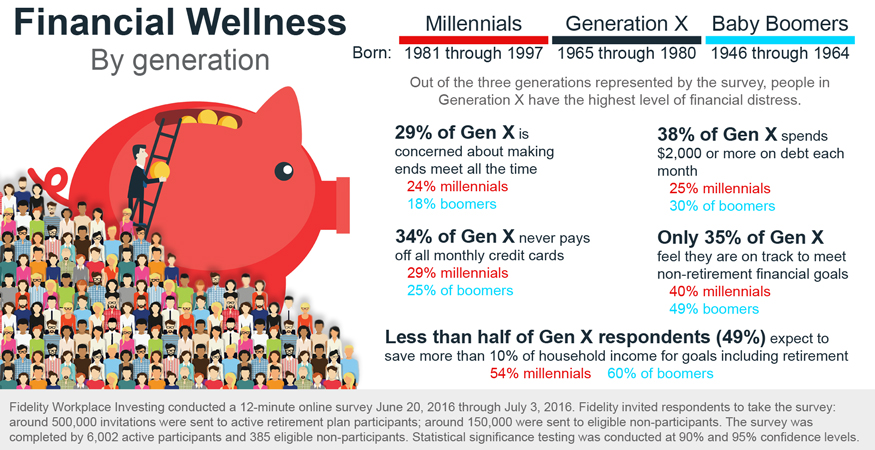
The baby boomers, born 1946 and 1964, began turning 65 this year. As they begin retiring in increasing numbers 
they are likely to sell off assets, especially risky equities, according to Fed researcher Zheng Liu and Mark Spiegel, a vice president in the economic research department.

Of course, many boomers already have diversified their portfolios by cutting down on stocks and adding fixed-income investments. Also, current asset prices should reflect the anticipated effects of these demographic changes to some extent.

Still, U.S. equity values historically have been closely related to demographic trends.

“In the context of the impending retirement of baby boomers over the next two decades, this correlation portends poorly for equity values,” Liu and Spiegel write.
Thursday, August 11, 2011

Middle-Income Boomers's Survey Shows Lack of Retirement Security...


67% — Of middle-income boomers expect a much different retirement than their parents

60%
— Of middle-income boomers "envy" the pensions of previous generations of retirees

55%
— Of middle-income boomers have saved less $100,000


Unlike their parents, baby boomers retirement risks have shifted from employers and the government onto individuals with the switch to 401(k)s instead of corporate pension plans, cuts in employer-paid retiree health benefits and the uncertain future of Social Security and Medicare.


“Boomers may have to take more personal responsibility for their retirement financial security than was the case with their parents and plan for the risks that may jeopardize this security, like long-term care, inflation and outliving their money,” says Scott Perry, president of Bankers Life.


Thursday, July 21, 2011

Baby Boomers Who Own Annuities Are More Confident About Retirement...


9 in 10
— Baby Boomers who own annuities are more confident about their retirement future than those who do not own annuities.


Friday, February 4, 2011

Wealthy Boomers Want To Stay Active In Retirement...

Merrill Lynch's quarterly survey of Baby Boomers with more than $250,000 in investable assets discovered that 70% expect to work at least part time "as a means of remaining active and engaged" and not out of any financial necessity.

While this optimism is admirable, about 25% of the retirees who Merrill polled confessed that they did not retire when they originally planned because they needed more time to accumulate funds.

The exact reason provided for delaying retirement varied, but the most popular category of answers -- "the recession," "unexpected costs," "imperfect or late planning" and "financially supporting the kids" -- revolved around dollars and cents. Only 23% simply said they "changed their mind and decided to continue working."


Friday, January 21, 2011

And AARP's Baby Boomer Survey Says....


Every day during this year, more than 7,000 boomers will turn 65 years old. AARP's December survey of boomers turning 65 in 2011 finds the first wave boomers are, for the most part, satisfied with their lives now and optimistic about the future.

Among the top concerns for these boomers are financial security and improving their health.

Some boomers turning 65 have age-related concerns similar to ones their parents experienced when they were 65. They have found, like their parents, they want to age in place, and chronic health conditions and financial responsibilities will influence how they will live the last third of life.


But the soon-to-be 65-year-olds differ from their parents in one important aspect: retirement. The survey shows baby boomers overall and many of those turning 65 consider work to be part of retirement, and a significant percentage say they never will consider themselves retired.

Other key findings are:

78% of those turning 65 this year say they are satisfied with how their lives are going today. Five years ago, 77% of boomers said they were satisfied.

More boomers feel they are worse off than feel they have done well in terms of their financial security and health.

Only about 40% respondents say they are about where they expected to be in these same areas.


A majority of boomers,
70%, turning 65 say they have achieved all or most of what they wanted out of life, and 26% say they have achieved some of what they wanted. Just 3% say they have achieved little or none of what they wanted out of life.

Boomers turning 65 also expect to live about the same number of years as they wish to live. On average, boomers turning 65 wish to live to about 88.7 years, and they expect to live until they are 85.2 years old.


Source: AARP

Thursday, December 30, 2010

Baby Boomers To Inherit More Than $11 Trillion


According to
Metlife’s Study of Inheritance and Wealth Transfer to Baby Boomers, there may be a glimmer of hope for baby boomers, many financially burdened, who could possibly inherit more than $8 trillion, mostly from parents and grandparents. 

Roughly 67% of all boomers are set to receive some inheritance in their lifetime.

The study also reports boomers have or will receive a substantial sum from their parents while they are still alive, which increases the total transfer of wealth to $11.6 trillion

The median inheritance per person is $64,000, and $2.4 trillion has already been given. The wealthiest boomers expect to receive an average of $1.5 million, and the least wealthy will be left $27,000, a sum that represents a larger percentage of the latter group's overall wealth.

Here are some key findings from the study:

63% of inheritances and 74% of dollars are from parents to children, and the grandparents are the 2nd most common source. Most boomers will receive their inheritance in late middle age.

Although only 17% of boomers had received an inheritance by 2007, 67% will eventually receive one.

The adjusted-for-inflation median amount boomers received by 2007 is about the same as the amount received by the preceding 1927-1945 birth group at the same ages.


Tuesday, October 19, 2010

Baby Boomers To Work Longer, Retire Later Than Previous Generations

Baby Boomers born between years 1946 and 1965, or “Early Boomers” are changing the American concept of retirement by continuing to work out of financial necessity, and putting off the start of a leisure-filled life.

75%
of men and women in the past would have been retired between ages 60-65.